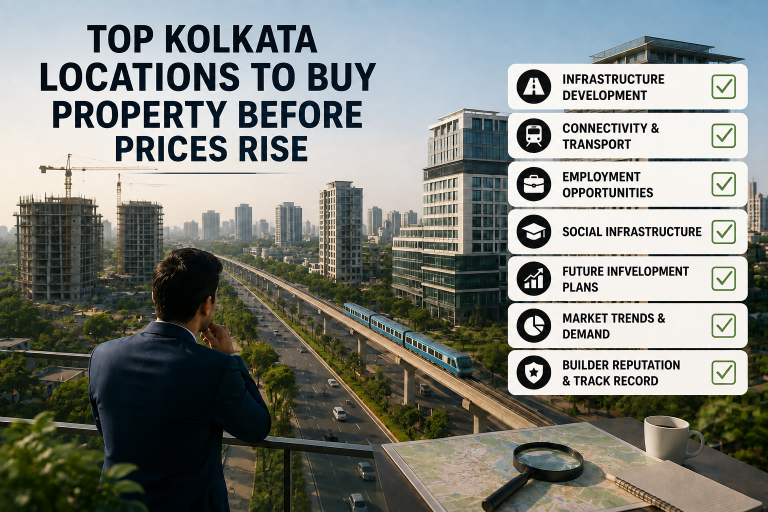
How Smart Infrastructure Will Shape Real Estate Growth Beyond 2026
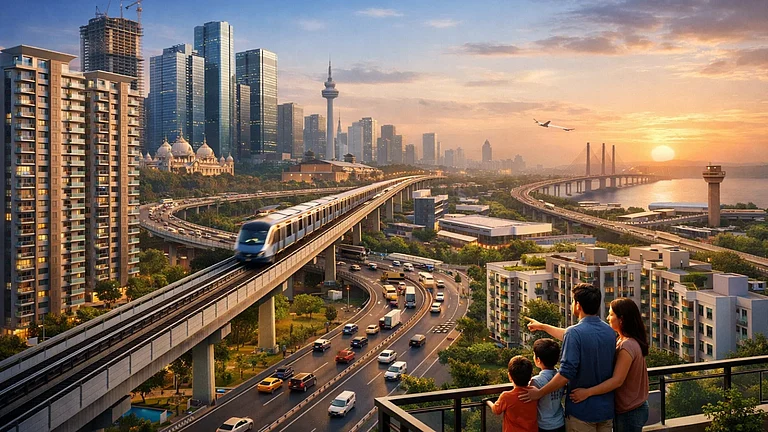
Smart infrastructure is rapidly transforming the future of real estate, and beyond 2026, its influence will become even more pronounced across India’s major urban and emerging zones. Governments and urban development authorities are investing heavily in integrated transport systems, digital utilities, green energy solutions, and data-driven city planning. These upgrades are not only improving life ability but also redefining how residential and commercial properties are valued. Areas supported by smart roads, intelligent traffic management, and future-ready public utilities are witnessing stronger demand, faster absorption, and sustained appreciation—making smart infrastructure a key growth driver for real estate in the coming decade.
One of the most visible impacts of smart infrastructure is improved connectivity across different zones of a city. Integrated metro networks, multimodal transport hubs, signal-free corridors, and smart expressways are reducing travel time between residential clusters, business districts, and social infrastructure. IT hubs, central business districts, airport corridors, and suburban growth zones are now more seamlessly connected than ever. For homebuyers, this means the freedom to live in well-planned residential areas while maintaining quick and predictable access to workplaces, schools, healthcare, and lifestyle destinations—significantly enhancing daily convenience and work-life balance.
Beyond mobility, smart infrastructure is also driving the development of self-sustained urban zones. Smart water management, underground utilities, renewable energy integration, and digital governance systems are making neighbourhoods more efficient and resilient. Residential projects located within or near such infrastructure-ready zones benefit from better civic services, reduced maintenance issues, and a higher quality of life. For customers, this translates into long-term cost efficiency, improved safety, and a cleaner, more organised living environment—factors that strongly influence purchasing decisions and long-term satisfaction.
Real estate growth beyond 2026 will also be shaped by the rise of infrastructure-led micro-markets. Peripheral zones connected by new metro lines, ring roads, and arterial corridors are emerging as high-potential investment destinations. These areas often offer relatively lower entry prices while benefiting from future infrastructure upgrades that drive capital appreciation. Buyers who align their investments with upcoming smart connectivity projects—such as airport-linked corridors, metro extensions, and business parks—stand to gain from both lifestyle advantages and long-term value growth.
From an investment perspective, smart infrastructure reduces risk and enhances transparency. Digitised land records, smart city governance platforms, and improved regulatory oversight are building greater buyer confidence. Well-connected zones with robust infrastructure attract corporate offices, retail developments, and social amenities, creating a balanced ecosystem that supports steady rental demand and price appreciation. This makes infrastructure-driven real estate growth more sustainable compared to speculative, unplanned development.
In conclusion, smart infrastructure will be the backbone of real estate growth beyond 2026, reshaping how cities expand and how people choose where to live and invest. For customers, the benefits are clear—faster connectivity across key zones, superior urban services, stronger long-term returns, and an enhanced quality of life. As cities evolve into smarter, more connected ecosystems, real estate aligned with infrastructure-led development will continue to emerge as the most future-proof and value-driven choice.