The Rise of Mixed-Use Developments in Urban India
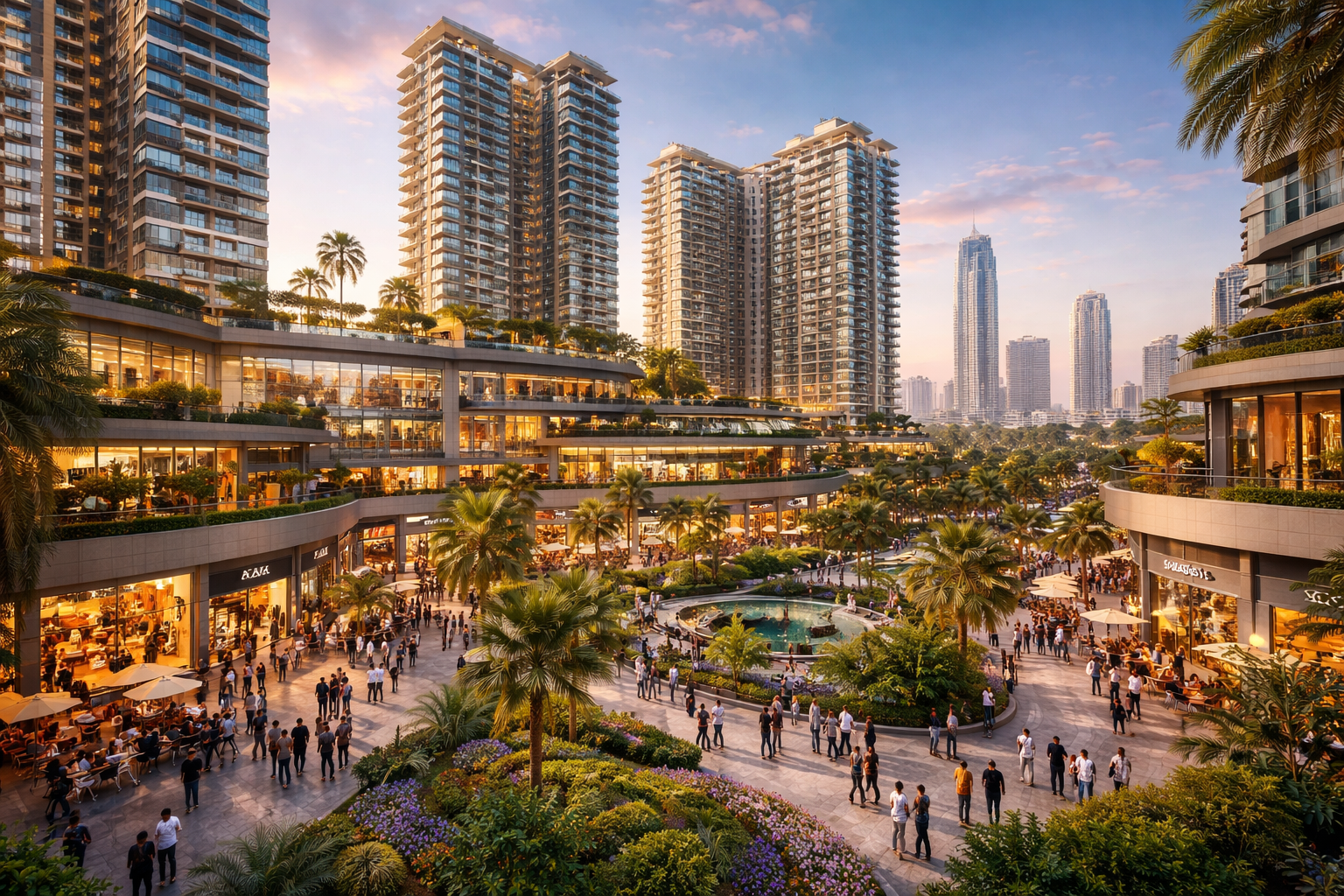
Urban India is undergoing a significant transformation as cities continue to expand and evolve. One of the most notable trends shaping modern real estate is the rise of mixed-use developments. These projects combine residential, commercial, retail, and sometimes recreational spaces within a single integrated environment. As metropolitan areas grow denser and land becomes more valuable, mixed-use developments are emerging as a smart solution that maximizes space while creating vibrant, self-sustained communities. From major metros to rapidly developing urban corridors, developers are increasingly embracing this concept to meet the changing lifestyle needs of modern homebuyers.
Mixed-use developments offer a wide range of benefits for customers, particularly in terms of convenience and accessibility. Residents can enjoy the advantage of having offices, retail outlets, restaurants, entertainment zones, and essential services located within or near their residential complex. This integrated planning significantly reduces travel time for daily activities, making life more comfortable and efficient. For working professionals and families, the ability to live, work, shop, and socialize within the same neighborhood creates a balanced urban lifestyle that saves both time and energy.
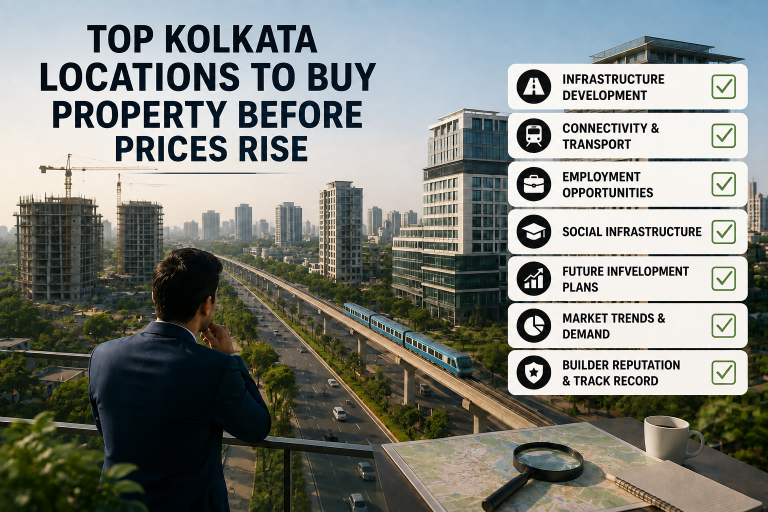
Infrastructure development plays a crucial role in enhancing the value of mixed-use projects. Many of these developments are strategically located near major highways, business districts, IT hubs, and commercial corridors. Improved road networks, flyovers, and urban planning initiatives help ensure smooth connectivity between residential spaces and key parts of the city. For homebuyers and investors, such infrastructure advantages translate into better property value appreciation and long-term investment potential.
Metro connectivity is another major factor contributing to the popularity of mixed-use developments in India. Cities like Kolkata, Delhi, Mumbai, Bengaluru, and Hyderabad are expanding their metro networks to reduce traffic congestion and improve urban mobility. Projects located close to metro stations offer residents quick and reliable access to major business hubs, educational institutions, healthcare centers, and entertainment districts. This not only enhances daily commuting convenience but also increases the desirability and demand for properties located near metro corridors.
Apart from metro systems, other modes of transportation such as suburban railways, bus networks, and app-based mobility services further strengthen connectivity around mixed-use developments. Well-planned transit access allows residents to move easily across the city without depending solely on private vehicles. For many customers, the presence of multiple transportation options near their home significantly improves overall quality of life while also reducing commuting stress.
As Indian cities continue to grow and modernize, mixed-use developments are expected to play a major role in shaping future urban landscapes. By combining smart infrastructure, seamless connectivity, and integrated lifestyle amenities, these projects create dynamic urban environments that cater to both residential comfort and professional needs. For homebuyers, this evolving development model represents not just a place to live, but a complete ecosystem designed for convenience, connectivity, and long-term value.