
How Digital Technology Is Transforming Real Estate Buying in 2026
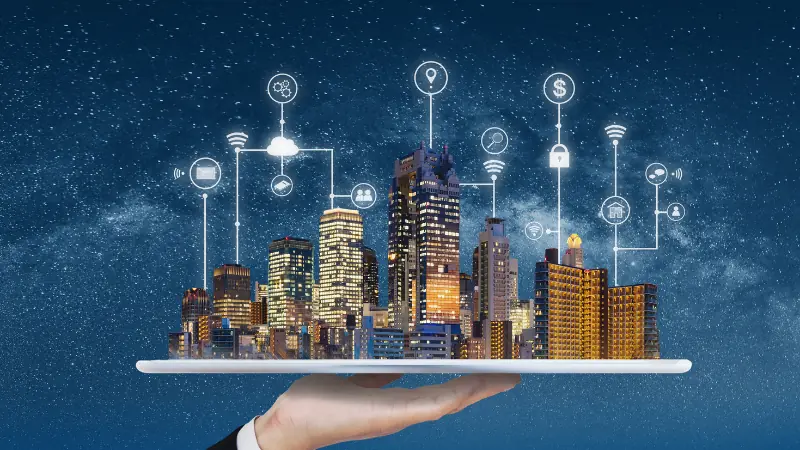
The real estate industry in 2026 is experiencing a massive digital transformation, making property buying faster, smarter, and more transparent than ever before. With the rise of AI-powered property platforms, virtual site visits, and data-driven decision-making tools, homebuyers no longer need to rely solely on traditional brokers or physical visits. Digital technology is simplifying the entire process—from property search to final booking—while improving trust and efficiency. As smart cities expand and infrastructure develops rapidly, digital platforms now allow buyers to explore new-launch real estate projects with real-time updates, verified documents, and instant connectivity insights.
One of the biggest advantages of digital technology in real estate buying is the ability to take virtual tours and 3D walkthroughs of properties from anywhere. In 2026, customers can explore apartments, amenities, floor plans, and even surrounding neighborhoods through immersive virtual reality experiences. This reduces unnecessary travel and saves time, especially for NRIs and outstation investors. Buyers can compare multiple projects online, check carpet area details, pricing breakdowns, payment plans, and construction updates—all from their smartphones or laptops.
Artificial Intelligence and data analytics are also playing a major role in helping customers make smarter investment decisions. Advanced real estate platforms now provide predictive pricing trends, ROI projections, rental yield insights, and infrastructure growth forecasts. Buyers can evaluate how upcoming metro lines, highways, airports, and commercial hubs will impact property appreciation. This data-driven approach minimizes risk and helps customers choose projects with the best long-term value and shortest connectivity routes to major landmarks such as IT hubs, schools, hospitals, and transport corridors.
Another key transformation in 2026 is digital documentation and seamless online booking. With e-KYC verification, digital signatures, blockchain-based property records, and secure online payment gateways, the buying process has become faster and more transparent. Customers can reserve units in new-launch projects, download brochures, access legal approvals, and even schedule site visits instantly. This reduces paperwork delays and enhances buyer confidence, especially in premium and under-construction developments.
Connectivity planning has also become smarter in the digital era. Buyers can now use GPS-based mapping tools, real-time traffic analysis, and infrastructure planning dashboards to identify the shortest and most convenient routes to their chosen project. Whether it’s proximity to metro stations, expressways, or business districts, digital mapping tools help homebuyers evaluate daily commute time before making a purchase decision. This ensures they invest in projects that offer both lifestyle comfort and excellent connectivity.
In conclusion, digital technology is reshaping real estate buying in 2026 by empowering customers with transparency, speed, and smarter insights. From virtual tours and AI-driven property comparisons to online booking and real-time connectivity analysis, the entire homebuying journey has become more efficient and customer-centric. As more developers adopt digital-first strategies, buyers can confidently invest in new-launch real estate projects that offer strong appreciation potential, strategic location advantages, and seamless urban connectivity in the evolving digital era.